

The Global Marketing Show, hosted by Wendy Pease at Rapport International, helps growth-minded marketers expand into international markets and boost multilingual lead generation and revenue. Each episode features experts from industries like medical devices, industrial manufacturing, consumer brands, government, and education sharing real-world lessons on how to go global the right way. Discover actionable strategies for translation, localization, transcreation, and cultural adaptation, plus insights on the technologies, workflows, and quality standards that drive global marketing success. Whether you manage global campaigns, oversee multilingual content, or lead international sales, this podcast is your guide to building a brand that connects across languages and cultures.
Episodes

Thursday Oct 16, 2025
Thursday Oct 16, 2025
In this episode of The Global Marketing Show, host Wendy Mackenzie Pease, President of Rapport International, shares exciting podcast updates, personal global experiences, and key lessons on why exporting is essential for U.S. business growth. She also unveils her upcoming book, The Secrets of Global Sales, drawn from insights across hundreds of international conversations.
Top Takeaways:
- Exporting drives higher revenues, stability, and long-term growth for U.S. companies.
- Fear of language and culture often limits global potential. Translation bridges that gap.
- Wendy’s second book, The Secrets of Global Sales, tackles real-world challenges companies face when expanding internationally and addresses the issues with AI translation
Wednesday Mar 26, 2025
Wednesday Mar 26, 2025
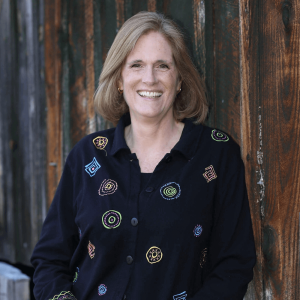
Wendy Pease is President and owner of Rapport International, a translation and interpretation services provider. In this episode of The Global Marketing Show, she serves double duty, serving as both host and guest and sharing her vast experience with helping US companies export.
Did you know that 93% of small international businesses export, while in the US, only 5% of US companies export? The US imports tons of containers full of goods and ships empties back to countries around the world.
Imagine how much revenue our economy would produce if small- and mid-sized US companies started selling internationally! It could, arguably, solve several of the country’s fiscal problems.
When asked why they don’t export, entrepreneurs and business owners alike say they simply lack the knowledge; they don’t know where to start or how to handle regulatory and payment issues.
The US federal and state governments continuously strive to correct this trade imbalance, offering resources to help companies export; trade advisors, in-country attachés, research support, and grant monies are just the beginning of an extensive support network designed to help even the smallest American companies compete on the global stage.
In addition, there are industry organizations, trade centers, chambers of commerce, and service providers willing to help.
In this episode, Wendy lists the 7 main sources of exporting support.
Pick one and reach out.
Links:
Resource Center - https://www.rapporttranslations.com/learning-center
Book – The Language of Global Marketing - https://www.rapporttranslations.com/the-language-of-global-marketing-book
Website: https://www.rapporttranslations.com/
Connect with Wendy - https://www.linkedin.com/in/wendypease/
Music: Fiddle-De-Dee by Shane Ivers - https://www.silvermansound.com
Wednesday Feb 26, 2025
Wednesday Feb 26, 2025
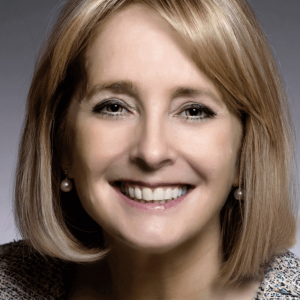
Maria Shepherd is the founder and CEO of Medi-Vantage, which helps companies develop disruptive medical devices and marketing strategies. Every strategy is designed to decrease risk, disrupt existing markets, and drive market share while improving patient outcomes. With clients from Japan, Australia, several EU countries, and the United States, Medi-Vantage has developed a comprehensive approach to global market entry, with services encompassing everything from developing engineering marketing specifications to conducting clinical due diligence for acquisitions.
As a guest on The Global Marketing Show, a Rapport International podcast, Maria shares her best advice from over 16 years of medical device strategy research, covering the commercialization continuum from marketing specifications through reimbursement, pricing strategy, and go-to-market planning. She also provides a roadmap for bringing medical devices to global markets: careful research and strategic pricing built upon a deep understanding of local healthcare systems.
The Complexities of Global Medical Device Pricing
Maria reports that thanks to increased transparency in the digital age, the days of setting different prices for different regions are essentially over. When a medical device is sold at a significantly lower cost in India, for instance, in the US, Germany, France, or Japan, economic buyers can easily access that information.
Transparency has forced companies to develop more sophisticated approaches to market entry in different regions. Some strategies include providing complementary capital equipment with the purchase of disposables or the implementation of subscription models. These approaches must be carefully considered, however, as some markets (like US hospitals) are known to resist certain pricing models. The key is finding a balance across different healthcare systems while maintaining profitability and market access.
Medi-Vantage develops budget impact models to help companies determine pricing and demonstrate value. Maria describes a recent project involving a device to help OB-GYNs make more informed decisions about C-sections. The model factored in:
- Current C-section rates (36% in the US versus 24% globally)
- Hospital costs associated with C-sections
- Potential complications and ICU stays
- Impact on mothers and babies
- NICU costs
- Associated litigation risks
- Long-term implications like cerebral palsy
A comprehensive analysis quantifies immediate and long-term cost savings, making it easier for healthcare providers to justify the investment. Such models are particularly valuable when introducing disruptive technologies that require changes to established medical practices, Maria says, adding that:
We quantified all of those and put them into the budgetary impact model because, oftentimes, nobody really sees an alternative to C-section. They don’t sit down and figure out, what if we didn’t have to do this C-section? Then there are the costs to the mother, of complications, death, extreme impairment, or long hospitalization.
Clinical Due Diligence in Global M&A
Medi-Vantage also conducts clinical due diligence for medical technology companies considering acquisitions. Maria says it’s not unusual for a surface-level appeal to fall short of reality, describing a rare instance in which she resisted an acquisition. A new technology promised to reduce a procedure requiring two in-hospital procedures to one hospital procedure plus one office visit, a clear win for efficiency and cost reduction.
During the due diligence process, however, the Medi-Vantage team uncovered significant resistance from both physicians and hospital administrators. The physicians were concerned about losing control of the second procedure to another specialist; hospital administrators worried about lost revenue. The feedback proved invaluable to their client’s decision-making process, highlighting the importance of understanding local healthcare dynamics and stakeholder interests.
Advice for Global Market Entry
Medical device companies seeking global expansion face a complex web of challenges that extend far beyond basic market research. Standing out in a competitive market requires working with consultants who have deep expertise in specific medical specialties, she says, and a network of partners who understand both the clinical and business aspects of the device industry.
“It’s important to seek out the people who can do the best for you, who understand the medical device specialty,” be it interventional cardiology or gastroenterology, regulatory requirements, translation, or another aspect. This targeted approach helps to prioritize the steps toward market acceptance based on unique workflows and decision-making processes.
The complexity extends beyond clinical knowledge. Market entry strategies must also account for local healthcare systems, reimbursement structures, and regulatory frameworks. “It’s not easy,” Maria acknowledges. “You take into account what the reimbursement rates are, what types of insurance plans are available. There are many different factors, but what you want to be sure of is that you’ve got guardrails in place.”
Communication presents another critical challenge. Even with her own French language skills, Maria insists on working with specialized medical translators for international research. “I would never interview somebody in French and rely on my own French speaking skills,” she says. “I want to be sure that I get every single little nugget.” This attention to detail is particularly important in medical device marketing, where misunderstandings about product specifications or usage could have serious consequences.
While AI translation tools can be helpful for basic understanding, Maria stresses the importance of human expertise in medical translation, particularly for critical communications and research. High-quality translation from subject matter experts should be used for anything affecting revenue, liability, or the company’s bottom line. For translation, interpreting, and research, for example, Maria looks for linguists who understand medical terminology in both source and target languages.
Maria’s experience in North Africa crystallized for her the importance of understanding local market conditions. Learning the Arabic word “makesh” (meaning “there isn’t any”) taught her that assumptions about product availability and market needs don’t translate across borders. “In the United States, you can get almost anything, but that’s not true in the rest of the world,” she observes. “Makesh is almost the standard.” This insight underscores why thorough market research conducted by experts who understand both the medical specialty and local healthcare environment is essential for successful global expansion.
For companies planning international expansion, Maria recommends a methodical approach:
- Find consultants with relevant medical specialty expertise
- Ensure all research and communication is handled by qualified professionals with appropriate language and clinical knowledge
- Develop market entry strategies that account for local healthcare systems and cultural nuances
While COVID-19 accelerated many changes, Maria notes that these shifts were already underway. Industry leaders like Medtronic and Boston Scientific have evolved beyond traditional multinational models to become truly global organizations with unified branding, marketing, and communication strategies. The path forward is both challenging and clear, she says, adding that success will require moving beyond surface-level market research toward a deep and nuanced understanding of local healthcare dynamics, especially when “makesh is the standard.”
Links:
Website: https://www.medi-vantage.com/
Wednesday Jan 22, 2025
Wednesday Jan 22, 2025
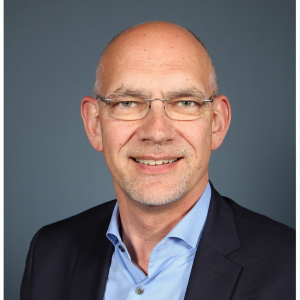
Thorsten Waloschek is CEO of NeoPredics AG, a Swiss digital health startup revolutionizing neonatal and maternal care through predictive analytics. Its first product, BiliPredics, predicts neonatal jaundice progression and is already available in both European and U.S. markets. By analyzing biomarker data, BiliPredics can forecast a baby's bilirubin levels for up to two and a half days after hospital discharge, enabling healthcare providers to make more informed decisions about when to send newborns home.
"The very last thing you want to do is rush back to the hospital within two days,” Thorsten explains. Such returns disrupt crucial parent-child bonding and lactation and can cause unnecessary stress for new families. Hospitals can provide preventive treatment by identifying at-risk infants before discharge, ensuring a smoother transition to home life.
Building upon BiliPredics’ success, NeoPredics is currently in development of a similar solution for preeclampsia, a hypertensive disorder that affects 2% to 10% of pregnancies globally, according to the World Health Organization (WHO). The exact numbers vary according to geographic region, but on average, the WHO attributes 70,000 maternal deaths and half a million fetal deaths to the condition annually. (Khan B, et al. Preeclampsia Incidence and Its Maternal and Neonatal Outcomes With Associated Risk Factors. Cureus. 2022 Nov 6;14(11). PMCID: PMC9723483, PMID: 36483900.) NeoPredics’ technology aims to identify high-risk pregnancies as early as 12 weeks into gestation, prompting proactive medical intervention.
In this episode, Thorsten describes the whirlwind process of building a global healthcare business, particularly when navigating regulatory environments and cultural nuances across different markets.
Strategic Global Expansion
Founded in 2020 in Switzerland, NeoPredics took an early international approach, establishing their U.S. subsidiary just one year later. This quick expansion into the American market wasn't merely opportunistic; it was strategic:
Why the US? Because it's still the single, unified, biggest medical device market in the world. We entered the United States and then went back into Europe, which was the second step because of regulatory challenges. But in the end, it's global. We want to help every newborn baby, young family, and pregnant woman. It's not only about healthcare disparities and racial discrimination; it happens everywhere in the world. Pregnant women and newborn babies are always the least taken care of by the population, no matter where.
In addition to strategic market selection, Thorsten emphasizes the importance of local partnerships, especially for startups with limited resources. "I would never try it on my own," he says about entering new markets. "I would always look for a partner that helps us as a company to enter that market."
Local partnerships will help with cultural Integration, which is integral to global business success. Thorsten describes how different regulatory approaches reflect more profound cultural distinctions; for instance, the contrast between European "black and white" regulatory environments and the more negotiation-friendly American system reflects how each culture conducts business. Thorsten provides additional insight into managing cross-cultural communication, including translation. His approach combines several key elements:
- Local language integration. Instead of solely relying on interpreters, NeoPredics seeks partners or consultants who speak the local language and understand the medical industry. This approach ensures both linguistic accuracy and cultural relevance.
- Layered translation process. For technical documentation, the company employs a two-step process: First, professional translation services provide a grammatically correct translation, and then local, native-speaking subject matter experts review it to refine the cultural nuances.
- Cultural context. For example, Thorsten points out that direct-to-consumer medical marketing, common in the U.S., remains prohibited in Germany, necessitating different marketing approaches in each market.
Navigating Regulatory Challenges
Thorsten explains that regulatory frameworks worldwide were formulated primarily around hardware-based medical devices, creating unique challenges for software-based solutions like predictive analytics. "And suddenly, not suddenly, but for the last 10, 15, 20 years, more and more software is coming," he adds. This disconnect has led to interesting developments in market entry strategies. While Europe was traditionally considered an easier first market for medical devices, that dynamic has shifted, with many companies now finding the FDA process more straightforward for software-based solutions.
Thorsten’s best advice is to "Pick a country where you want to get your foot in, where you have your anchor point, and go from there. Don't ‘go into Europe’. That doesn't mean anything. Go into one country in Europe."
Listen to the full episode to learn more about balancing technical innovation, strategic market selection, and cross-cultural communication.
Wednesday Jan 15, 2025
Wednesday Jan 15, 2025
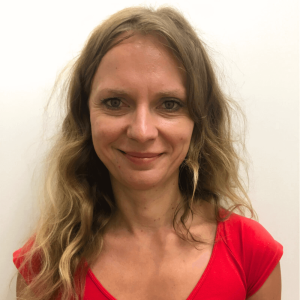
Maria Kondratyev is the founder and CEO of Aeterna Therapeutics, a San Diego-based biotech startup driving innovation in treating metabolic diseases, particularly in pediatric patients with growth hormone deficiency. The company’s technology transforms daily hormone injections into monthly treatments, a crucial step in refining patient care and compliance.
“It is life-changing,” Maria adds. “I gave you an example of gross hormone deficiency, but really, there are a lot of different diseases, including oncology, obesity, and diabetes, where we can use this same concept, and we're going to expand there once we grow a little bit.”
Maria's story is particularly compelling. Born in Moscow, raised in Tel Aviv, educated in Canada, and now leading a company in San Diego, Maria brings a unique perspective to international business development. She discusses how technical terms can vary significantly across languages and educational systems, even between herself and her mom: "My mom was also a scientist, a biologist... She got all of her education in Moscow. But when she speaks to me about things like PCR, which we see in the lab all the time, I have no idea what she means."
Maria and Wendy connected at the Redefining Early Stage of Investment (RESI) Conference in Boston, an event hosted by Life Science Nation. (Wendy recently interviewed Dennis Ford, founder and CEO of Life Science Nation, which specializes in fundraising for life sciences companies.) In this episode, Maria describes how an international mindset and cultural intelligence create unique opportunities in the biotech industry.
Building Bridges Across Borders
As the company moved from research to commercialization, Maria's multicultural approach generated inroads into different business cultures, resulting in Canadian commercialization grants and collaboration with Brazilian investors.
Maria encourages entrepreneurs to be open-minded: "Sometimes you're not sure how to talk to a person who was raised in a different environment," she admits. "What means one thing in one culture can mean something completely different in another." Over time, that international mindset evolves into a keen awareness of cultural nuances, creating opportunities that might never have materialized.
The complexity deepens when dealing with scientific innovations that may not have equivalent terms in other languages. With patent translations, for example, sometimes there is no direct translation for new technical terms. In such cases, a professional translator must decide whether to create new terminology, keep the original language, or develop descriptive translations that accurately capture the concept.
The Power of Cultural Intelligence
Maria offers several key insights for entrepreneurs navigating international markets:
1. Rely on professionals even though you speak the language.
Maria speaks four languages (English, Russian, Hebrew, and French); however, in her experience, technical and scientific communication require more than basic language skills. Professional translation services become crucial, mainly when dealing with specialized terminology that might not have direct equivalents across languages.
2. Pay attention to cultural nuances.
Maria has seen how something as simple as smiling – or not smiling – can be interpreted differently across cultures. Once, while dining with Israeli visitors in a Chinese restaurant in Toronto, her Israeli guests initially interpreted the server's serious demeanor as rudeness. "But she's not rude," Maria explains. "It would be rude for her to smile at you because, in their culture, you smile at your very close family or friends. It's impolite to smile at a stranger."
Maria suggests an unconventional but effective approach for those seeking to better understand different cultures: consuming media from target markets. Read literature, read fiction, watch Friends... When I met Brazilian people, I started to research what kind of books they read growing up," she explains. This approach helped her understand the context in which different cultures conduct business.
3. Know your audience.
Maria uncovers distinct differences between academic and commercial environments across borders. In Toronto, she found excellent academic support but limited commercial opportunities. The move to San Diego's vibrant biotech ecosystem provided the entrepreneurial environment to transform academic research into a viable commercial venture.
The transition wasn't just geographically driven; it required adapting to different business cultures. San Diego's collaborative atmosphere, where "you go to a brewery and meet many people who are all starting biotech companies," contrasts sharply with Toronto's more academically focused environment. This cultural shift proved crucial in helping Maria refine her business approach and secure initial funding.
An open-minded approach to cultural awareness and language learning also helps at conferences like RESI, where she met investors from multiple countries every half hour. She says the ability to quickly adjust communication styles is essential, and it helps you learn a lot more when moving from country to country. It is the key to unlocking global business opportunities.
Listen to the full episode to learn more about finding early-stage funding for your biotech innovation, where to look for funds internationally, and the many factors – including translation – that drive the product lifecycle.
Links:
Website: https://www.linkedin.com/company/aeterna-therapeutics/
LinkedIn: https://www.linkedin.com/in/maria-kondratyev-7687951/
Connect with Wendy - https://www.linkedin.com/in/wendypease/
Music: Fiddle-De-Dee by Shane Ivers - https://www.silvermansound.com

Wednesday Jan 08, 2025
Wednesday Jan 08, 2025
John Konsin is co-founder and CEO of Prapela, a company pioneering noninvasive stimulation to improve infant breathing and oxygenation. The company’s infant mattress technology has already received two Breakthrough Device designations from the US FDA, which expedites clearance for clinical usage. Prapela expects to debut an additional application based on the technology in 2025.
John and Wendy connected at the Redefining Early Stage of Investment (RESI) Conference in Boston, which Life Science Nation hosted. (Wendy recently interviewed Dennis Ford, founder and CEO of Life Science Nation, which specializes in fundraising for life sciences companies.) In this episode, John describes three clinical applications for Prapela’s technology and outlines the company’s global expansion strategy, focusing on providing valuable insight into navigating international markets, regulatory challenges, and cross-cultural communication.
The Science Behind Safer Sleep
At the heart of Prapela's innovation is that 62% of healthy infants experience irregular breathing patterns and oxygen desaturation in their first three months of life. The Collaborative Home Infant Monitoring Evaluation (CHIME) study monitored over 1,000 healthy infants at home using hospital-grade equipment to track their respiration, cardiac activity, movement, and oxygen saturation levels. Episodes varied in frequency, severity, and duration among babies—some experienced them once, while others showed multiple occurrences.
Most significantly, these breathing irregularities occurred not just in at-risk infants but in otherwise healthy babies, highlighting a previously unrecognized challenge in early infant development. (Ramanathan, R., et al. (2001). Cardiorespiratory events recorded on home monitors: Comparison of healthy infants with those at increased risk for SIDS. JAMA, 285(17), 2199-2207.)
Prapela's infant mattress helps to regulate babies' breathing through a gentle, barely perceptible vibration. The innovation grew out of research by Dr. David Paydarfar, who, in the 1990s, discovered that a specific type of random vibration, known scientifically as "stochastic" vibration, could improve the “pacemaker function,” the neurons in a baby's brain that controls automatic breathing. The vibration is so subtle it moves less than half the diameter of a human hair, making it effective and non-disruptive to sleep patterns.
The Hospital-First Strategy
The company has secured over $8 million in funding through grants and awards, allowing them to maintain control while developing their technology. John says this will enable the company to seek equity investment from a position of strength, with FDA clearance on the horizon and a clear path to commercialization.
Their market strategy began in hospitals, aiming to directly and immediately impact infant care in critical settings. This approach is grounded in decades of successful medical device launches, which built a foundation of clinical credibility before venturing into the broader consumer landscape. The technology has already demonstrated its potential, reducing reliance on supplemental oxygen and minimizing the need for traditional breathing interventions.
John envisions a future where "Prapela Inside" becomes as recognizable in infant care as "Intel Inside" is in computers, starting with the 52 global manufacturers of hospital bassinets and incubators:
[W]e we can make this mattress fit any infant sleep device worldwide. So it doesn't matter if it's an incubator, bassinet, crib, or cot, as they use the term in international markets, right? We can make it fit those products. So, our strategy is similar to that of Intel with the microchip. You'll see a little badge when you buy a computer from Dell or some other company. It says Intel inside.
By positioning their technology as a vital component that transforms standard infant care equipment into advanced breathing support systems, Prapela aims to revolutionize hospital infant care worldwide. Following FDA approval, Prapela plans to pursue regulatory clearance in other markets, initially focusing on Europe, India, and the Middle East. The sequential approach allows them to leverage their FDA clearance while adapting to local regulatory requirements in each new market.
Cultural Intelligence in Global Marketing
John offers valuable insight into cross-cultural communication and marketing. He emphasizes several key principles for successful global expansion:
- Language Simplification: English is widely spoken in international business, but vocabulary depth varies significantly. John advocates using simpler terms and friendly communication to bridge language gaps.
- Local Market Adaptation: Success in one market doesn't guarantee success in another. Companies must adapt messaging, pricing, and marketing approaches to local market conditions rather than forcing an American-centric approach.
- Brand Management: While maintaining global brand consistency is essential, give local managers some latitude in adapting messages to their markets. This is particularly critical when moving from clinical to consumer marketing, where terms like "calmness" might carry different cultural connotations across markets.
He underscores the importance of remaining open to and respectful of local customs and traditions in international business relationships with a memorable story from his early career in Mexico. The general managers of manufacturing operations presented him with a stuffed armadillo. Initially puzzled by the gift, he later learned it symbolized appreciation for his patience and understanding of their culture.
Brand Identity Across Borders
John explains that "Prapela" was carefully constructed from Latin roots to create a unique name that wouldn’t carry unintended meanings in other languages. This thoughtful approach helps avoid the pitfalls that some major companies have encountered, such as the famous case of Chevrolet's Nova in Latin American markets, where the name unfortunately translated to "doesn't go."
The company's branding strategy balances global consistency with local flexibility from the outset. It maintains core clinical messaging that resonates with medical professionals worldwide while recognizing the need for nuanced consumer-market approaches. John explains that exercise is particularly important when communicating concepts like infant calmness or comfort, as cultural interpretations can vary significantly.
Listen to the full episode to learn more about Prapela’s innovative approach to their technology and market entry strategy.
Links:
Website: https://www.prapela.com/
LinkedIn: https://www.linkedin.com/in/jkonsin/
Connect with Wendy - https://www.linkedin.com/in/wendypease/
Music: Fiddle-De-Dee by Shane Ivers - https://www.silvermansound.com

Wednesday Dec 18, 2024
Wednesday Dec 18, 2024
Mickael Dang is co-founder of Synakis, a biotech startup developing groundbreaking technology for the treatment of retinal detachment. Still in startup mode, the company is part of UTEST, the University of Toronto’s Early Stage Technology Program, which helps deep tech entrepreneurs go from lab to market.
Mickael and Wendy connected at the Redefining Early Stage of Investment (RESI) Conference in Boston, where Synakis was among the highest-scoring companies in the Innovator’s Pitch Challenge. (The RESI conference is hosted by Life Science Nation and Wendy recently interviewed Dennis Ford, founder and CEO of Life Sciences Nation, which specializes in fundraising for life sciences companies.)
Mickael’s journey is fascinating. When he arrived in Canada from France six years ago, he could barely string together an English sentence. Today, we find him at the intersection of scientific innovation, entrepreneurship, and global market expansion, having started Synakis while earning a PhD and serving as President of the Student and Young Investigator Section (SYIS) of TERMIS (Tissue Engineering and Regenerative Medicine Society). He is also multilingual; he speaks French, English, and some Mandarin.
“The PhD is the same concept as being an entrepreneur,” he says. “You need to be very self-driven, very independent as well. You have to come up with your own experiment and come up with the next predicted results. I had this entrepreneurial mindset from the get-go and wanted to do a PhD for purpose, to really get the company out there."
Incubated in the laboratory of renowned biomedical engineering professor Dr. Molly Shoichet, Synakis is developing a revolutionary hydrogel-based technology called SNK125. This innovation promises to transform the recovery process for patients suffering from retinal detachment, a serious condition that requires immediate surgical intervention to prevent permanent vision loss.
Current treatments for retinal detachment involve using silicon oil or heavy gases to push the detached retina back into place. While these methods work, they come with significant drawbacks. Patients experience blurry vision during recovery and must maintain exhausting, face-down posturing for hours, sometimes for months. In addition, the materials used aren't biodegradable, requiring a second surgery for removal. Synakis's hydrogel technology eliminates all of these challenges, while reducing recovery time from months to just days.
The Global Path to Market
Equally interesting is the company’s approach to global market entry. Based in Canada, the company has already laid the groundwork for international expansion; in 2019, Mickael proactively filed patents across multiple territories, including Europe, Australia, Canada, and China, to ensure protection of its intellectual property globally. And rather than attempting to tackle multiple markets simultaneously, Synakis will initially focus on North America before expanding to Europe and China. This staged approach allows them to establish a strong foundation in their home market while building the partnerships and relationships required for international expansion.
Throughout, Mickael and his team have been actively seeking partnerships with established industry giants like Alcon or Bausch & Lomb. There are high costs associated with clinical trials these companies – companies that "own the entire market," according to Mickael – have the expertise and distribution networks necessary for successful commercialization.
Funding the Future
Synakis is concurrently seeking seed investment and focusing on several critical milestones: Good Manufacturing Practices (GMP) setup, FDA regulatory filing, and preparation for clinical trials. While its primary focus is on North American investors for practical reasons like time zone alignment and ease of communication, they're keeping their options open for international investment, particularly in regions like China, which possess significant market opportunity. Mickael has constructed a targeted and strategic approach to investor outreach. At the RESI conference, for example, he prioritized meetings with specialized investors like ExSight Ventures, who focus specifically on ophthalmology. These are the meaningful conversations with investors that will ask the hard questions and offer solutions.
Looking Ahead
Synakis is currently preparing for its next phase of growth. Plans include moving out of the university incubator, creating new jobs in Toronto, and expanding their product pipeline beyond retinal detachment treatments to include drug delivery solutions for other eye conditions.
Mickael’s key takeaways from his Synakis journey are relevant for any company planning international expansion:
- Strategic IP Protection: Early patent filing in target markets will protect future opportunities.
- Staged Market Entry: Starting with familiar markets before expanding globally can help manage resources and risk effectively.
- Strategic Partnerships: Recognizing when to partner with established players can accelerate market entry and provide access to crucial resources.
- Targeted Investor Outreach: Focusing on investors who understand your industry can lead to more productive relationships.
- Cultural Adaptability: Language skills and cultural understanding are invaluable assets in building a global business.
Going from lab to market can be, as Mickael says it in French, a "casse-tête" (a “head-breaker”), but the right approach, persistence, and strategic thinking can ultimately turn scientific innovation into global market success. Listen to the full episode to hear more about Synakis's journey from university lab to potential global market player, plus more real-world advice for expanding internationally.
Links:
LinkedIn: https://www.linkedin.com/in/mickael-dang/
Website: https://www.linkedin.com/company/synakis/
https://termis.org/index.php?q=termis-syis-am
Wednesday Dec 11, 2024
Wednesday Dec 11, 2024
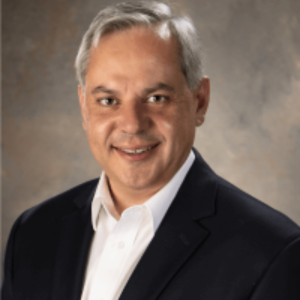
Emilio Sacristan is the chief scientific officer of Vacere, a company working to eliminate brain damage and death caused by ischemic stroke and vasospasm. The company's CEREFAST™ medical device proved successful in initial human trials, and the team is now conducting multicenter testing in the US via a National Institutes of Health (NIH) grant.
CEREFAST™ significantly improves blood flow to the brain at the earliest interventional opportunity by stimulating facial nerves during a two-minute, non-invasive procedure. “Time is brain,” explains Emilio, and in addition to almost immediate treatment for stroke, the product has been shown effective for the treatment of vasospasm (a potential fatal result of post-aneurysm treatment), and migraines.
Emilio and Wendy connected at the Redefining Early Stage of Investment (RESI) Conference in Boston, hosted by Life Science Nation. (Wendy recently interviewed Dennis Ford, founder and CEO of Life Sciences Nation, which specializes in fundraising for life sciences companies.)
From “Crazy Idea” to Modern Medical Device
Emilio is also a Professor of Biomedical Engineering at Universidad Autónoma Metropolitana-Iztapalap (UAM-Iztapalapa) in Mexico City. He holds dual Spanish citizenship and speaks four languages (Spanish, English, French, and German) and holds a Ph.D. in Biomedical Engineering from Worcester Polytechnic Institute (WPI). Yet even with such a storied background, Emilio found himself at first skeptical of the whole concept. When his partner first floated the idea, Emilio said “it’s never gonna work.”
Stroke is the leading cause of disability and the second leading cause of death worldwide. In the US, at least 800,000 people suffer a stroke each year, resulting in over 140,000 deaths. Worldwide, those numbers reach 15 million and 7 million, respectively. And these numbers ignore the lifelong disabilities affecting the survivors.
As such, the global implications of CEREFAST™ are profound, representing more than just a medical innovation; it signals a potential paradigm shift in emergency neurological care. In many regions, especially those with limited medical infrastructure, stroke patients often receive minimal treatment at the time of the incident and, as Emilio repeats, “time is brain.”
Navigating Global Markets with Linguistic and Cultural Expertise
And just as Emilio and his partner had to jump through interdisciplinary regulatory and engineering hoops to secure approval for human trials, the company’s go-to-market strategy was built upon a deeply nuanced cross-cultural understanding and attention to linguistic details. Emilio’s linguistic arsenal lends him a significant competitive advantage, allowing him to navigate complex international negotiations, build relationships, and understand subtle communication cues.
Except in China, one of Vacere’s primary target markets, where even English-speaking colleagues can be unreliable in their written translation and spoken interpreting. Emilio admits that he works with a professional language services company for dealings in China, adding that he more than occasionally finds himself translating or reviewing documents in one of his three fluent languages, time that could be better spent on the company’s core competencies.
“Of course we’re going to do this worldwide," Emilio says, starting with expansion into Europe and the start of a migraine study in Latin America next year. When approaching new markets and potential investors, he adds, follow a deliberate and thoughtful cultural playbook, strategically avoiding potentially divisive topics like politics and history, and instead focusing on universally engaging subjects that foster positive dialogue. "Innovation is a topic that everybody likes," he notes. "Everybody has their own definition, but everybody wants to talk about it."
The Multilingual Entrepreneur's Toolkit
For any entrepreneur looking to expand globally, Emilio suggests keeping these skills at the ready:
- Strong multilingual communication skills
- Cultural intelligence and adaptability
- A repository of positive, forward-looking conversation topics
- Networking
- An open mind for unconventional, innovative ideas
- Diverse, international teams
Listen to the full episode for more practical advice on securing international funding, and the language and cultural requirements for successful global expansion and marketing.
Links:
LinkedIn: https://www.linkedin.com/in/emiliosacristan/
Connect with Wendy - https://www.linkedin.com/in/wendypease/
Music: Fiddle-De-Dee by Shane Ivers - https://www.silvermansound.com
Wednesday Dec 04, 2024
Wednesday Dec 04, 2024
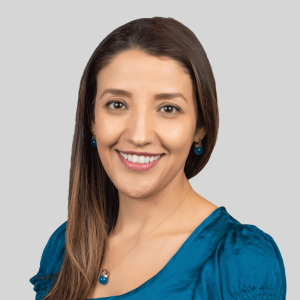
Catalina Vasquez is co-founder and COO of Nanostics Inc., a Canadian biotechnology company that develops and commercializes innovative diagnostic tests. Established in 2017, Nanostics leverages machine learning to generate biomarker-driven improvements to patient care. Its larger aim is to revolutionize personalized medicine through early and accurate disease detection.
Catalina and Wendy connected at the Redefining Early Stage of Investment (RESI) Conference in Boston, hosted by Life Science Nation. (Wendy recently interviewed Dennis Ford, founder and CEO of Life Sciences Nation, which specializes in fundraising for life sciences companies.)
At the heart of the company's origin story is Frank Sojonky, a visionary whose late-stage prostate cancer diagnosis proved a pivotal moment of transformation, both personally and professionally. His life’s work became an extraordinary commitment to advancing research to prevent other families from experiencing the same devastating experience.
Through strategic fundraising and a partnership with the Alberta Cancer Foundation, Sojonky's vision took root. His legacy became the cornerstone of what would evolve into ClarityDX Prostate (known as CDX Prostate in the US), a blood test more precise and reliable alternative than existing methods.
The Science Behind the Innovation
At its technological core, Nanostics represents the cutting edge of medical artificial intelligence. The company’s proprietary approach harnesses machine learning to integrate complex clinical data with standard and proprietary biomarkers. The result is a sophisticated algorithm that generates a precise risk score, predicting the presence of clinically significant prostate cancer with unprecedented accuracy. So the advantage of ClarityDx Prostate is that it is a software as a medical device. It's an algorithm.
What sets Nanostics apart is its ability to differentiate between aggressive prostate cancer and indolent forms of the disease, meaning cases that are asymptomatic or marked by slow progression. By providing a percentage-based risk assessment, the technology empowers both patients and physicians to make more informed decisions about potential biopsies, which come with “significant adverse effects,” even death. “For the family to find out later on that the patient did not have prostate cancer,” Catalina continues, “that's what we want to avoid.”
Global Validation Through Rigorous International Research
The company’s strategy included a comprehensive international validation strategy designed to recruit over 3,400 patients across multiple countries, including Canada, the US, and Europe. This ambitious approach involved collaborations with prestigious institutions like UCLA, Johns Hopkins University, University of Calgary, University of Alberta, and Thomayer University in Europe.
As soon as the company launched its clinical trials, the COVID-19 pandemic happened, temporarily halting patient recruitment at multiple sites.
Catalina and her team were unfazed, however, and she says:
In reality, after COVID abated it was actually quite easy to recruit for this study because patients really, really wanted to help. So out of a hundred patients, 97-98 of the patients would agree to participate in the study. Because of that, the recruitment was super quick. We were able to recruit 1500 patients in less than a year.
There is a worldwide need for improved prostate cancer screening. The company’s recruitment strategy originated in English only, but quickly expanded to attract participants from South America and the Middle East, concurrent with a search for more diverse candidates domestically. Marketing in different regions requires a nuanced understanding of cultural differences in healthcare.
As such, the company doesn't simply deploy a one-size-fits-all solution but carefully adapts its technology and messaging to specific regional contexts:
- In Colombia, where men often pursue biopsies out of extreme cancer anxiety, Nanostics offers a way to reduce unnecessary medical procedures
- In the Middle East, where cultural taboos can prevent men from seeking medical examinations, their technology provides a less invasive alternative to traditional screening methods
- In North American markets, they offer comprehensive models that incorporate multiple standard-of-care diagnostic approaches
Catalina emphasizes that global expansion isn't just about scientific adaptation but also about communication strategies. Marketing materials are meticulously tailored to local sensitivities. In more conservative regions like the Middle East, messaging becomes more discreet, while markets like Alberta allow for more playful, witty approaches.
Expanding Global Reach
Nanostics continues to expand its global footprint, including recent partnerships with:
- Protean BioDiagnostics for the U.S. market
- OncoHelix, serving the Middle East and North Africa
- Prime Diagnostics covering Latin America
- Laboratory partnerships across multiple Canadian provinces
Their software-as-a-medical-device model provides remarkable flexibility, allowing integration with existing laboratory infrastructures worldwide, and the potential impact is profound.
Nanostics’s improvement in PSA testing predictive values could prevent up to 47% of unnecessary biopsies. This isn't just a statistical achievement but a deeply human one – reducing patient anxiety, preventing potential medical complications, and ultimately saving lives.
Links:
LinkedIn: https://www.linkedin.com/in/catalina-vasquez-994371b4/
Website: https://www.nanosticsdx.com/
Connect with Wendy - https://www.linkedin.com/in/wendypease/
Music: Fiddle-De-Dee by Shane Ivers - https://www.silvermansound.com

Wednesday Nov 20, 2024
Wednesday Nov 20, 2024
Akeem Gardner is the CEO of Canadian biotech startup Canurta, a Canadian-based biotech company that specializes in extracting and enriching rare molecules found in nature and developing them into botanical therapeutics to help patients who are suffering from major neurodegenerative and inflammatory diseases.
More specifically, botanical drugs rely on a variety of technologies to gather and upcycle plant waste, and Canurta has created processes for creating purified standards and molecules that can eventually go to market:
“But what many people don't know is that the FDA actually gives you a botanical drug development guidance of how you could handcraft or properly formulate molecules from plants to get specific ingredients that target specific mechanisms that can help patients with the neuroprotection that they need to extend their lifespan but also live more healthy lives across a longer lifespan.”
Akeem and Wendy connected at the Redefining Early Stage of Investment (RESI) Conference in Boston, hosted by Life Science Nation. (Wendy recently interviewed Dennis Ford, founder and CEO of Life Sciences Nation, which specializes in fundraising for life sciences companies.)
In this episode, Akeem describes how his company leverages global connections and diverse perspectives to drive growth and innovation, especially for its most advanced program, dedicated to the treatment of ALS, or Lou Gehrig's disease.
Building International Partnerships
Akeem has made it a priority to cultivate international partnerships, recognizing the need for a global patient pool. To facilitate these global connections, he tapped into resources available to Canadian companies: federal and provincial governments subsidize attendance at industry events and make introductions to key organizations. "They create spaces for Canadian companies, so that I just have to get on a flight, get to where the opportunity is, or the event is, and then they help us with matchmaking and making introductions to the organizations that we need to meet," he explains.
Akeem's own diverse background also contributes to his global mindset. Having studied law in the UK before founding Canurta, he is comfortable navigating different cultures and languages, “always so excited about how people are living in different places in the world," he adds.
Leveraging Language and Culture
Akeem encourages his team to embrace existing technologies to mitigate the barriers that language and culture sometimes creates. He lauds the practical uses of generative AI and Google Translate, but only for translating signs or navigating public transportation in foreign countries. Clinical trials, regulatory documents, and sensitive information require professional translation, however, and Akeem relies on his experienced team for translation management so that he can focus on building relationships with key opinion leaders and patients.
He has learned along the way that fostering that focus in other areas of the company is also important. For example, managing cash flow rather than chasing every opportunity that presents itself is key to long-term success, especially during difficult economic times when capital is scarce.
Another lesson Akeem has learned is to trust his own instincts and his team’s capabilities, rather than relying solely on advice from outside experts. "Everyone has an opinion, but they're not always experts in the day-to-day of what you're doing," he said. Staying grounded in the realities will help you navigate the complexities of biotech development with confidence.
The Power of Diverse Perspectives
His background as a non-traditional biotech founder has also taught him the value of embracing diverse perspectives. With a background in law and agriculture, he initially grappled with imposter syndrome, feeling that he lacked the scientific credentials of his peers.
Since, however, he has come to see his unique perspective as a strength: "I used to have a lot of imposter syndrome because I'm not a scientist by nature. Or by formal training, I'm a learning scientist now because I'm doing it on the day-to-day," he says. This “outsider” viewpoint also means he can ask fresh questions and challenge assumptions, ultimately driving innovation within his company.
In fact, companies with diverse teams have been shown to increase a company’s revenue, drive growth, and heighten retention. Novel problem-solving and varied perspectives contribute to open lines of communication and a healthy working environment.
Looking Ahead: Expanding Globally, Staying Focused
Canurta is in the process of recruiting patients for its registration trials in Australia, Europe, Canada, and the US. By embracing internationalization, biotech companies are leaders in bringing life-changing and life-saving products to the world as it truly looks today, one consisting of vastly differing backgrounds and expectations yet united in the quest for better, more healthful living.
In an increasingly interconnected world, the ability to navigate language and cultural barriers, build strategic partnerships, and challenge industry conventions will be key differentiators for biotechnology startups committed to making a lasting impact. Canurta is leading the way, alongside the rest of the Canadian biotech community, and their journey is inspiring.
Links:
Website: https://www.canurta.com/
LinkedIn: https://www.linkedin.com/in/akeemgardner/
Connect with Wendy - https://www.linkedin.com/in/wendypease/
Music: Fiddle-De-Dee by Shane Ivers - https://www.silvermansound.com