

The Global Marketing Show, hosted by Wendy Pease at Rapport International, helps growth-minded marketers expand into international markets and boost multilingual lead generation and revenue. Each episode features experts from industries like medical devices, industrial manufacturing, consumer brands, government, and education sharing real-world lessons on how to go global the right way. Discover actionable strategies for translation, localization, transcreation, and cultural adaptation, plus insights on the technologies, workflows, and quality standards that drive global marketing success. Whether you manage global campaigns, oversee multilingual content, or lead international sales, this podcast is your guide to building a brand that connects across languages and cultures.
Episodes

Jan 8, 2025
Jan 8, 2025
24 min
John Konsin is co-founder and CEO of Prapela, a company pioneering noninvasive stimulation to improve infant breathing and oxygenation. The company’s infant mattress technology has already received two Breakthrough Device designations from the US FDA, which expedites clearance for clinical usage. Prapela expects to debut an additional application based on the technology in 2025.
John and Wendy connected at the Redefining Early Stage of Investment (RESI) Conference in Boston, which Life Science Nation hosted. (Wendy recently interviewed Dennis Ford, founder and CEO of Life Science Nation, which specializes in fundraising for life sciences companies.) In this episode, John describes three clinical applications for Prapela’s technology and outlines the company’s global expansion strategy, focusing on providing valuable insight into navigating international markets, regulatory challenges, and cross-cultural communication.
The Science Behind Safer Sleep
At the heart of Prapela's innovation is that 62% of healthy infants experience irregular breathing patterns and oxygen desaturation in their first three months of life. The Collaborative Home Infant Monitoring Evaluation (CHIME) study monitored over 1,000 healthy infants at home using hospital-grade equipment to track their respiration, cardiac activity, movement, and oxygen saturation levels. Episodes varied in frequency, severity, and duration among babies—some experienced them once, while others showed multiple occurrences.
Most significantly, these breathing irregularities occurred not just in at-risk infants but in otherwise healthy babies, highlighting a previously unrecognized challenge in early infant development. (Ramanathan, R., et al. (2001). Cardiorespiratory events recorded on home monitors: Comparison of healthy infants with those at increased risk for SIDS. JAMA, 285(17), 2199-2207.)
Prapela's infant mattress helps to regulate babies' breathing through a gentle, barely perceptible vibration. The innovation grew out of research by Dr. David Paydarfar, who, in the 1990s, discovered that a specific type of random vibration, known scientifically as "stochastic" vibration, could improve the “pacemaker function,” the neurons in a baby's brain that controls automatic breathing. The vibration is so subtle it moves less than half the diameter of a human hair, making it effective and non-disruptive to sleep patterns.
The Hospital-First Strategy
The company has secured over $8 million in funding through grants and awards, allowing them to maintain control while developing their technology. John says this will enable the company to seek equity investment from a position of strength, with FDA clearance on the horizon and a clear path to commercialization.
Their market strategy began in hospitals, aiming to directly and immediately impact infant care in critical settings. This approach is grounded in decades of successful medical device launches, which built a foundation of clinical credibility before venturing into the broader consumer landscape. The technology has already demonstrated its potential, reducing reliance on supplemental oxygen and minimizing the need for traditional breathing interventions.
John envisions a future where "Prapela Inside" becomes as recognizable in infant care as "Intel Inside" is in computers, starting with the 52 global manufacturers of hospital bassinets and incubators:
[W]e we can make this mattress fit any infant sleep device worldwide. So it doesn't matter if it's an incubator, bassinet, crib, or cot, as they use the term in international markets, right? We can make it fit those products. So, our strategy is similar to that of Intel with the microchip. You'll see a little badge when you buy a computer from Dell or some other company. It says Intel inside.
By positioning their technology as a vital component that transforms standard infant care equipment into advanced breathing support systems, Prapela aims to revolutionize hospital infant care worldwide. Following FDA approval, Prapela plans to pursue regulatory clearance in other markets, initially focusing on Europe, India, and the Middle East. The sequential approach allows them to leverage their FDA clearance while adapting to local regulatory requirements in each new market.
Cultural Intelligence in Global Marketing
John offers valuable insight into cross-cultural communication and marketing. He emphasizes several key principles for successful global expansion:
- Language Simplification: English is widely spoken in international business, but vocabulary depth varies significantly. John advocates using simpler terms and friendly communication to bridge language gaps.
- Local Market Adaptation: Success in one market doesn't guarantee success in another. Companies must adapt messaging, pricing, and marketing approaches to local market conditions rather than forcing an American-centric approach.
- Brand Management: While maintaining global brand consistency is essential, give local managers some latitude in adapting messages to their markets. This is particularly critical when moving from clinical to consumer marketing, where terms like "calmness" might carry different cultural connotations across markets.
He underscores the importance of remaining open to and respectful of local customs and traditions in international business relationships with a memorable story from his early career in Mexico. The general managers of manufacturing operations presented him with a stuffed armadillo. Initially puzzled by the gift, he later learned it symbolized appreciation for his patience and understanding of their culture.
Brand Identity Across Borders
John explains that "Prapela" was carefully constructed from Latin roots to create a unique name that wouldn’t carry unintended meanings in other languages. This thoughtful approach helps avoid the pitfalls that some major companies have encountered, such as the famous case of Chevrolet's Nova in Latin American markets, where the name unfortunately translated to "doesn't go."
The company's branding strategy balances global consistency with local flexibility from the outset. It maintains core clinical messaging that resonates with medical professionals worldwide while recognizing the need for nuanced consumer-market approaches. John explains that exercise is particularly important when communicating concepts like infant calmness or comfort, as cultural interpretations can vary significantly.
Listen to the full episode to learn more about Prapela’s innovative approach to their technology and market entry strategy.
Links:
Website: https://www.prapela.com/
LinkedIn: https://www.linkedin.com/in/jkonsin/
Connect with Wendy - https://www.linkedin.com/in/wendypease/
Music: Fiddle-De-Dee by Shane Ivers - https://www.silvermansound.com
Dec 18, 2024
Dec 18, 2024
15 min
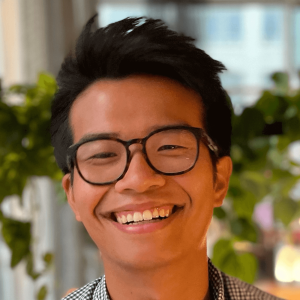
Mickael Dang is co-founder of Synakis, a biotech startup developing groundbreaking technology for the treatment of retinal detachment. Still in startup mode, the company is part of UTEST, the University of Toronto’s Early Stage Technology Program, which helps deep tech entrepreneurs go from lab to market.
Mickael and Wendy connected at the Redefining Early Stage of Investment (RESI) Conference in Boston, where Synakis was among the highest-scoring companies in the Innovator’s Pitch Challenge. (The RESI conference is hosted by Life Science Nation and Wendy recently interviewed Dennis Ford, founder and CEO of Life Sciences Nation, which specializes in fundraising for life sciences companies.)
Mickael’s journey is fascinating. When he arrived in Canada from France six years ago, he could barely string together an English sentence. Today, we find him at the intersection of scientific innovation, entrepreneurship, and global market expansion, having started Synakis while earning a PhD and serving as President of the Student and Young Investigator Section (SYIS) of TERMIS (Tissue Engineering and Regenerative Medicine Society). He is also multilingual; he speaks French, English, and some Mandarin.
“The PhD is the same concept as being an entrepreneur,” he says. “You need to be very self-driven, very independent as well. You have to come up with your own experiment and come up with the next predicted results. I had this entrepreneurial mindset from the get-go and wanted to do a PhD for purpose, to really get the company out there."
Incubated in the laboratory of renowned biomedical engineering professor Dr. Molly Shoichet, Synakis is developing a revolutionary hydrogel-based technology called SNK125. This innovation promises to transform the recovery process for patients suffering from retinal detachment, a serious condition that requires immediate surgical intervention to prevent permanent vision loss.
Current treatments for retinal detachment involve using silicon oil or heavy gases to push the detached retina back into place. While these methods work, they come with significant drawbacks. Patients experience blurry vision during recovery and must maintain exhausting, face-down posturing for hours, sometimes for months. In addition, the materials used aren't biodegradable, requiring a second surgery for removal. Synakis's hydrogel technology eliminates all of these challenges, while reducing recovery time from months to just days.
The Global Path to Market
Equally interesting is the company’s approach to global market entry. Based in Canada, the company has already laid the groundwork for international expansion; in 2019, Mickael proactively filed patents across multiple territories, including Europe, Australia, Canada, and China, to ensure protection of its intellectual property globally. And rather than attempting to tackle multiple markets simultaneously, Synakis will initially focus on North America before expanding to Europe and China. This staged approach allows them to establish a strong foundation in their home market while building the partnerships and relationships required for international expansion.
Throughout, Mickael and his team have been actively seeking partnerships with established industry giants like Alcon or Bausch & Lomb. There are high costs associated with clinical trials these companies – companies that "own the entire market," according to Mickael – have the expertise and distribution networks necessary for successful commercialization.
Funding the Future
Synakis is concurrently seeking seed investment and focusing on several critical milestones: Good Manufacturing Practices (GMP) setup, FDA regulatory filing, and preparation for clinical trials. While its primary focus is on North American investors for practical reasons like time zone alignment and ease of communication, they're keeping their options open for international investment, particularly in regions like China, which possess significant market opportunity. Mickael has constructed a targeted and strategic approach to investor outreach. At the RESI conference, for example, he prioritized meetings with specialized investors like ExSight Ventures, who focus specifically on ophthalmology. These are the meaningful conversations with investors that will ask the hard questions and offer solutions.
Looking Ahead
Synakis is currently preparing for its next phase of growth. Plans include moving out of the university incubator, creating new jobs in Toronto, and expanding their product pipeline beyond retinal detachment treatments to include drug delivery solutions for other eye conditions.
Mickael’s key takeaways from his Synakis journey are relevant for any company planning international expansion:
- Strategic IP Protection: Early patent filing in target markets will protect future opportunities.
- Staged Market Entry: Starting with familiar markets before expanding globally can help manage resources and risk effectively.
- Strategic Partnerships: Recognizing when to partner with established players can accelerate market entry and provide access to crucial resources.
- Targeted Investor Outreach: Focusing on investors who understand your industry can lead to more productive relationships.
- Cultural Adaptability: Language skills and cultural understanding are invaluable assets in building a global business.
Going from lab to market can be, as Mickael says it in French, a "casse-tête" (a “head-breaker”), but the right approach, persistence, and strategic thinking can ultimately turn scientific innovation into global market success. Listen to the full episode to hear more about Synakis's journey from university lab to potential global market player, plus more real-world advice for expanding internationally.
Links:
LinkedIn: https://www.linkedin.com/in/mickael-dang/
Website: https://www.linkedin.com/company/synakis/
https://termis.org/index.php?q=termis-syis-am
Dec 11, 2024
Dec 11, 2024
22 min
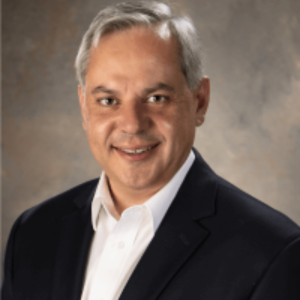
Emilio Sacristan is the chief scientific officer of Vacere, a company working to eliminate brain damage and death caused by ischemic stroke and vasospasm. The company's CEREFAST™ medical device proved successful in initial human trials, and the team is now conducting multicenter testing in the US via a National Institutes of Health (NIH) grant.
CEREFAST™ significantly improves blood flow to the brain at the earliest interventional opportunity by stimulating facial nerves during a two-minute, non-invasive procedure. “Time is brain,” explains Emilio, and in addition to almost immediate treatment for stroke, the product has been shown effective for the treatment of vasospasm (a potential fatal result of post-aneurysm treatment), and migraines.
Emilio and Wendy connected at the Redefining Early Stage of Investment (RESI) Conference in Boston, hosted by Life Science Nation. (Wendy recently interviewed Dennis Ford, founder and CEO of Life Sciences Nation, which specializes in fundraising for life sciences companies.)
From “Crazy Idea” to Modern Medical Device
Emilio is also a Professor of Biomedical Engineering at Universidad Autónoma Metropolitana-Iztapalap (UAM-Iztapalapa) in Mexico City. He holds dual Spanish citizenship and speaks four languages (Spanish, English, French, and German) and holds a Ph.D. in Biomedical Engineering from Worcester Polytechnic Institute (WPI). Yet even with such a storied background, Emilio found himself at first skeptical of the whole concept. When his partner first floated the idea, Emilio said “it’s never gonna work.”
Stroke is the leading cause of disability and the second leading cause of death worldwide. In the US, at least 800,000 people suffer a stroke each year, resulting in over 140,000 deaths. Worldwide, those numbers reach 15 million and 7 million, respectively. And these numbers ignore the lifelong disabilities affecting the survivors.
As such, the global implications of CEREFAST™ are profound, representing more than just a medical innovation; it signals a potential paradigm shift in emergency neurological care. In many regions, especially those with limited medical infrastructure, stroke patients often receive minimal treatment at the time of the incident and, as Emilio repeats, “time is brain.”
Navigating Global Markets with Linguistic and Cultural Expertise
And just as Emilio and his partner had to jump through interdisciplinary regulatory and engineering hoops to secure approval for human trials, the company’s go-to-market strategy was built upon a deeply nuanced cross-cultural understanding and attention to linguistic details. Emilio’s linguistic arsenal lends him a significant competitive advantage, allowing him to navigate complex international negotiations, build relationships, and understand subtle communication cues.
Except in China, one of Vacere’s primary target markets, where even English-speaking colleagues can be unreliable in their written translation and spoken interpreting. Emilio admits that he works with a professional language services company for dealings in China, adding that he more than occasionally finds himself translating or reviewing documents in one of his three fluent languages, time that could be better spent on the company’s core competencies.
“Of course we’re going to do this worldwide," Emilio says, starting with expansion into Europe and the start of a migraine study in Latin America next year. When approaching new markets and potential investors, he adds, follow a deliberate and thoughtful cultural playbook, strategically avoiding potentially divisive topics like politics and history, and instead focusing on universally engaging subjects that foster positive dialogue. "Innovation is a topic that everybody likes," he notes. "Everybody has their own definition, but everybody wants to talk about it."
The Multilingual Entrepreneur's Toolkit
For any entrepreneur looking to expand globally, Emilio suggests keeping these skills at the ready:
- Strong multilingual communication skills
- Cultural intelligence and adaptability
- A repository of positive, forward-looking conversation topics
- Networking
- An open mind for unconventional, innovative ideas
- Diverse, international teams
Listen to the full episode for more practical advice on securing international funding, and the language and cultural requirements for successful global expansion and marketing.
Links:
LinkedIn: https://www.linkedin.com/in/emiliosacristan/
Connect with Wendy - https://www.linkedin.com/in/wendypease/
Music: Fiddle-De-Dee by Shane Ivers - https://www.silvermansound.com
Dec 4, 2024
Dec 4, 2024
16 min
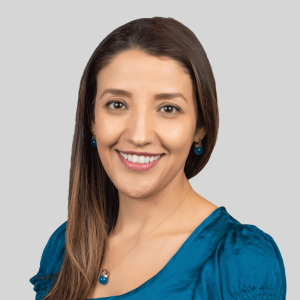
Catalina Vasquez is co-founder and COO of Nanostics Inc., a Canadian biotechnology company that develops and commercializes innovative diagnostic tests. Established in 2017, Nanostics leverages machine learning to generate biomarker-driven improvements to patient care. Its larger aim is to revolutionize personalized medicine through early and accurate disease detection.
Catalina and Wendy connected at the Redefining Early Stage of Investment (RESI) Conference in Boston, hosted by Life Science Nation. (Wendy recently interviewed Dennis Ford, founder and CEO of Life Sciences Nation, which specializes in fundraising for life sciences companies.)
At the heart of the company's origin story is Frank Sojonky, a visionary whose late-stage prostate cancer diagnosis proved a pivotal moment of transformation, both personally and professionally. His life’s work became an extraordinary commitment to advancing research to prevent other families from experiencing the same devastating experience.
Through strategic fundraising and a partnership with the Alberta Cancer Foundation, Sojonky's vision took root. His legacy became the cornerstone of what would evolve into ClarityDX Prostate (known as CDX Prostate in the US), a blood test more precise and reliable alternative than existing methods.
The Science Behind the Innovation
At its technological core, Nanostics represents the cutting edge of medical artificial intelligence. The company’s proprietary approach harnesses machine learning to integrate complex clinical data with standard and proprietary biomarkers. The result is a sophisticated algorithm that generates a precise risk score, predicting the presence of clinically significant prostate cancer with unprecedented accuracy. So the advantage of ClarityDx Prostate is that it is a software as a medical device. It's an algorithm.
What sets Nanostics apart is its ability to differentiate between aggressive prostate cancer and indolent forms of the disease, meaning cases that are asymptomatic or marked by slow progression. By providing a percentage-based risk assessment, the technology empowers both patients and physicians to make more informed decisions about potential biopsies, which come with “significant adverse effects,” even death. “For the family to find out later on that the patient did not have prostate cancer,” Catalina continues, “that's what we want to avoid.”
Global Validation Through Rigorous International Research
The company’s strategy included a comprehensive international validation strategy designed to recruit over 3,400 patients across multiple countries, including Canada, the US, and Europe. This ambitious approach involved collaborations with prestigious institutions like UCLA, Johns Hopkins University, University of Calgary, University of Alberta, and Thomayer University in Europe.
As soon as the company launched its clinical trials, the COVID-19 pandemic happened, temporarily halting patient recruitment at multiple sites.
Catalina and her team were unfazed, however, and she says:
In reality, after COVID abated it was actually quite easy to recruit for this study because patients really, really wanted to help. So out of a hundred patients, 97-98 of the patients would agree to participate in the study. Because of that, the recruitment was super quick. We were able to recruit 1500 patients in less than a year.
There is a worldwide need for improved prostate cancer screening. The company’s recruitment strategy originated in English only, but quickly expanded to attract participants from South America and the Middle East, concurrent with a search for more diverse candidates domestically. Marketing in different regions requires a nuanced understanding of cultural differences in healthcare.
As such, the company doesn't simply deploy a one-size-fits-all solution but carefully adapts its technology and messaging to specific regional contexts:
- In Colombia, where men often pursue biopsies out of extreme cancer anxiety, Nanostics offers a way to reduce unnecessary medical procedures
- In the Middle East, where cultural taboos can prevent men from seeking medical examinations, their technology provides a less invasive alternative to traditional screening methods
- In North American markets, they offer comprehensive models that incorporate multiple standard-of-care diagnostic approaches
Catalina emphasizes that global expansion isn't just about scientific adaptation but also about communication strategies. Marketing materials are meticulously tailored to local sensitivities. In more conservative regions like the Middle East, messaging becomes more discreet, while markets like Alberta allow for more playful, witty approaches.
Expanding Global Reach
Nanostics continues to expand its global footprint, including recent partnerships with:
- Protean BioDiagnostics for the U.S. market
- OncoHelix, serving the Middle East and North Africa
- Prime Diagnostics covering Latin America
- Laboratory partnerships across multiple Canadian provinces
Their software-as-a-medical-device model provides remarkable flexibility, allowing integration with existing laboratory infrastructures worldwide, and the potential impact is profound.
Nanostics’s improvement in PSA testing predictive values could prevent up to 47% of unnecessary biopsies. This isn't just a statistical achievement but a deeply human one – reducing patient anxiety, preventing potential medical complications, and ultimately saving lives.
Links:
LinkedIn: https://www.linkedin.com/in/catalina-vasquez-994371b4/
Website: https://www.nanosticsdx.com/
Connect with Wendy - https://www.linkedin.com/in/wendypease/
Music: Fiddle-De-Dee by Shane Ivers - https://www.silvermansound.com

Nov 20, 2024
Nov 20, 2024
26 min
At the RESI Conference in Boston, Wendy Pease of Rapport International sat down with Akeem Gardner, CEO of Canurta, to discuss what it really takes for emerging biotech companies to scale internationally — from global clinical trials and investor networking to multilingual communication and regulatory strategy.
For pharmaceutical, biotech, and medical device companies expanding internationally, the conversation highlights an increasingly important reality:
Global growth is no longer just about science. It’s about operational coordination, multilingual communication, regulatory readiness, and building trusted relationships across borders.
From Canadian Startup to Global Clinical Trial Strategy
Canurta is a Canadian biotechnology company focused on developing botanical therapeutics for neurodegenerative diseases such as ALS. The company is preparing for first-in-human clinical trials in the United States, with future registration trials planned across Australia, Europe, Canada, and the U.S.
That international approach reflects a growing challenge for life sciences companies:
Rare disease trials often require global patient recruitment strategies to achieve statistically meaningful enrollment numbers.
For companies operating across multiple regions, that means coordinating:
- Clinical trial communication
- Regulatory documentation
- Patient-facing materials
- Investigator collaboration
- CRO relationships
- Multilingual operational workflows
As Akeem explained, international expansion in biotech requires building a global consortium early — especially when patient populations are limited.
Why Global Conferences Matter for Pharma and MedTech Growth
One of the strongest themes from the conversation was the importance of international networking and conference ecosystems.
Akeem discussed leveraging organizations like:
- RESI
- BIO International
- JPM Healthcare Conference
- ALS global conferences
to build partnerships, meet investors, and connect with clinical research organizations worldwide.
For medical device and pharmaceutical companies pursuing:
- EU market access
- CE Marking support
- International clinical expansion
- Global commercialization
these relationships are often critical to accelerating timelines and avoiding costly delays.
The Role of Language in Global Clinical Trials
One of the most valuable parts of the discussion centered around multilingual communication in healthcare and biotech.
Akeem explained that tools like Google Translate and ChatGPT can be useful for casual travel or day-to-day navigation abroad, but not for high-risk clinical or regulatory communication.
That distinction is increasingly important for:
- Pharmaceutical companies managing global trials
- Medical device manufacturers preparing multilingual IFUs
- Organizations translating patient-facing materials
- Teams preparing documentation for CE Marking or EU regulatory submissions
In regulated industries, inaccurate translation can create:
- Compliance risks
- Patient safety concerns
- Regulatory delays
- Legal liability
- Inconsistent trial data
That’s why many life sciences organizations rely on professional translation providers with experience in:
- Medical terminology
- Clinical trial workflows
- MDR and IVDR documentation
- Global labeling requirements
- Regulatory quality processes
CE Marking, EU Market Access, and Multilingual Compliance
While the episode focused primarily on biotech and clinical development, many of the themes directly apply to companies preparing for CE Marking and European market expansion.
Medical device and industrial manufacturing companies entering the EU often need:
- Translated Instructions for Use (IFUs)
- Product labeling translation
- Safety documentation
- Technical files
- Multilingual packaging
- Regulatory communication support
For mid-size MedTech and manufacturing companies, multilingual compliance is not just a marketing exercise — it’s often a requirement for legal market entry.
As global expansion accelerates, companies increasingly need language partners that can support:
- Rapid turnaround times
- Consistent terminology management
- Technical subject-matter expertise
- Secure handling of regulated content
- Scalable multilingual workflows
Lessons for Global Companies: Focus, Flexibility, and Strategic Growth
Another major takeaway from the episode was Akeem’s perspective on entrepreneurship and global scaling.
He emphasized:
- Staying focused instead of chasing “shiny objects”
- Managing capital carefully
- Building the right international relationships
- Learning from experience instead of blindly following outside opinions
Those lessons resonate strongly with growing pharmaceutical, biotech, and medical device companies navigating:
- International commercialization
- Regulatory expansion
- Global partnerships
- Cross-border operational complexity
Why This Matters for Translation and Localization
As companies expand globally earlier in their growth journey, language strategy becomes increasingly tied to operational success.
Whether supporting:
- Clinical trial recruitment
- CE Marking documentation
- Medical device labeling
- Investor communication
- International commercialization
- Multilingual regulatory submissions
the quality and consistency of global communication can directly impact timelines, compliance, and market readiness.
For regulated industries, translation is no longer just about converting words from one language to another.
It’s about helping organizations communicate accurately, compliantly, and confidently across global markets.
Links:
Website: https://www.canurta.com/
LinkedIn: https://www.linkedin.com/in/akeemgardner/
Connect with Wendy - https://www.linkedin.com/in/wendypease/
Music: Fiddle-De-Dee by Shane Ivers - https://www.silvermansound.com
Nov 13, 2024
Nov 13, 2024
34 min
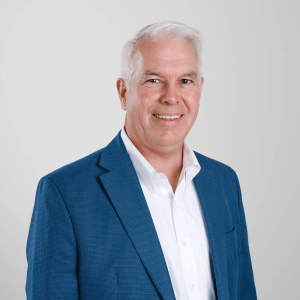
In this episode, we hear from Tom Gallagher, CEO of Diversified Automation and a former Penn State classmate. Who'd have thought we'd reconnect all these years later via a podcast? Listen for Tom's real-world insights and career advice shaped by his global business experience.
Tom recently stepped into the role of CEO at Diversified Automation following its acquisition by Leadec, a German powerhouse in the automotive and manufacturing sectors. Their newfound, shared vision leverages Leadec’s international scale to develop opportunities for innovative and advanced automation in manufacturing and package handling. The companies have worked with Mercedes-Benz, Ford, Chevy, Amazon, DHL, FedEx, UPS, and more.
Tom regrets not having learned German, though he couldn’t have predicted the country’s influence on his career at the outset. He explains how government-mandated work safety and life balance requirements mean German citizens can only work so many hours a day. During one visit, he and his associates were not allowed back in the building after an evening meal!
His global experience yielded other surprising customs:
- When traveling for business internationally, your hosts may expect you to dine and socialize outside the office.
- In Germany, people like to walk for fresh air and exercise before and after dinner. His colleagues often pick a restaurant 15 to 20 minutes away to enjoy the time together.
- Breakfasts can vary widely worldwide! Some European breakfasts feature an array of meats and cheeses, completely unlike typical American fare. Singapore's charming "Toast" shops offer avocado toast and matcha tea, showcasing the city-state's unique blend of Eastern and Western influences.
Like many in global business, Tom grappled with common concerns: How do you pick the right partners in unfamiliar territories? How can you anticipate trade limitations varying wildly from country to country? He recounts instances where equipment from China was barred entry into Korea and Vietnam, causing unexpected delays. In every case, a good and knowledgeable partner will help to avoid these issues.
Similarly, Tom's experiences underscore the value of expertise in translation, interpreting, and communication across language barriers. He found bilingual professionals with relevant industry knowledge invaluable for technical discussions and high-stakes negotiations. Their nuanced understanding of language and subject matter far outperformed general translators or AI solutions, especially in technically complex fields.
His final, best advice:
“If you have the opportunity to do international work, do not hesitate to say ‘YES!’” You will learn so much through travel, the interactions with local people, the experience of seeing how people live, and exposure to different cultures. Don’t worry about failing,” he adds. “You may. That’s OK. You will learn from it.”
Links:
Website: https://diversified-automation.com/
https://usa.leadec-services.com/
LinkedIn: https://www.linkedin.com/in/tom-gallagher-5b52934/
Connect with Wendy - https://www.linkedin.com/in/wendypease/
Music: Fiddle-De-Dee by Shane Ivers - https://www.silvermansound.com
Nov 6, 2024
Nov 6, 2024
49 min
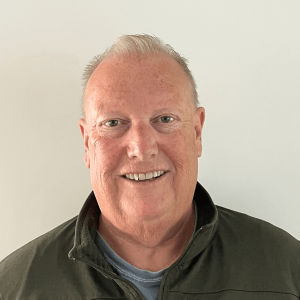
Dennis Ford is founder and CEO of Life Science Nation, a sourcing platform for market intelligence and prospect pipeline development for life sciences companies.
An expert in the art of international fundraising, he is also the author of The Life Science Executive’s Fundraising Manifesto. In this episode, Dennis shares real-world insight into how fundraising in life sciences has evolved, and why you’ve got to “go global” to succeed in today’s competitive marketplace.
The Four Pillars of Life Science
Put simply, the life sciences industry can be broken down into the “four Ds”: Drugs, Devices, Diagnostics, and Digital Health. Each category has its own timeline and development path – from the lengthy 15-20 year process for drugs to the relatively quick development cycle for digital health solutions. Typically, startup companies need to target 600 to 800 potential investors to run an effective 9-18 month fundraising campaign. This number isn’t arbitrary – Dennis has seen even established health tech funds vetting 800 companies just to make three investments in a year.
Similarly, the global life sciences market can be divided into three main regions:
- Asia Pacific (including China, Japan, Taiwan, Korea, Singapore, and Australia)
- Europe and the UK
- North America (U.S. and Canada)
While there is activity in other regions like Africa and South America, these three markets represent the primary playing field for life sciences innovation and investment.
This new reality means going global isn’t an option, it’s a necessity. Dennis explains: “There just aren’t enough investors in a particular region to allow them to play that numbers game.” Even in rich ecosystems like Boston/Cambridge or Silicon Valley, staying local severely limits opportunities.
The Language Myth
One common concern about going global is the language barrier. Dennis easily counters that notion as an obstacle, explaining that English typically serves as the universal language in the field, particularly among academic and research institutions. Investors, licensing partners, and other stakeholders are often comfortable communicating in English, “and I have not seen in my conferences or any of my trips that me not speaking the native language is a deal killer,” he adds.
Interestingly, while language should never stop you from expanding globally, Dennis discovered an unexpected cultural challenge: the persistence required in following up with potential investors. Entrepreneurs from certain cultures are hesitant to make multiple attempts to reconnect, viewing it as inappropriate or “spammy.” Dennis emphasized that success often comes after numerous attempts – sometimes even on the twentieth contact.
He describes in detail how syndicated investments typically work, with a lead investor taking primary responsibility for oversight and management of the company through regular meetings and milestones. Even with a diverse group of investors from different countries (e.g., Chinese, European, and American investors), the lead investor – often chosen based on geography or similar criteria – handles the day-to-day management while other investors participate at key milestones and funding calls. To facilitate these international connections, Life Science Nation holds RESI (Redefining Early Stage Investment) conferences every few months, providing regular engagement beyond one’s local region.
Once a company secures international funding, Dennis advises companies to source investors from different regions because they have “footprints” in a particular region; more than just capital, diversity provides valuable regional expertise, connections to distributors, and insights into local markets when it’s time to commercialize.
True Stories Translate
Ultimately, what matters most to investors? While scientific validity is crucial, Dennis explains, investors are equally – if not more – interested in the human story behind the science. He shares a powerful story of an experienced pharma executive who was initially reluctant to share the story of how her son’s illness inspired her work. Once she finally embraced the storytelling, she went on to win Australia’s top entrepreneurial pitch competition.
Key Takeaways for Global Success:
- Start with a comprehensive target list of 600-800 potential investors
- Implement a proper CRM system to manage relationships
- Develop a compelling narrative that can be told in various time frames (5 seconds to 3 hours)
- Don’t limit your reach to the local region or even your home country
- Prepare for a 9-18 month fundraising journey
- Be persistent in follow-ups, regardless of cultural norms
- Balance technical expertise with personal storytelling
The Global Life Sciences Opportunity
The life sciences industry has entered a golden age, with innovations emerging from research institutions worldwide. The global distribution of talent and innovation means that neither the best technologies nor the best funding opportunities are confined to any single region.
For entrepreneurs in the life sciences space, the message is clear: thinking globally isn’t just about expanding your market – it’s about survival. Whether you’re developing a groundbreaking drug in Boston, a medical device in Minneapolis, or a diagnostic tool in Singapore, your fundraising strategy needs to be global from day one.
Check out the links below to learn more about global fundraising in life sciences and his book, The Life Science Executive’s Fundraising Manifesto.
Links
Email: dford@lifesciencenation.com
Book: https://www.amazon.com/Life-Science-Executives-Fundraising-Manifesto/dp/0990325105
Website: www.lifesciencenation.com
RESI Conference: https://resiconference.com/
LinkedIn: https://www.linkedin.com/company/2775813
Connect with Wendy - https://www.linkedin.com/in/wendypease/
Music: Fiddle-De-Dee by Shane Ivers - https://www.silvermansound.com

Oct 23, 2024
Oct 23, 2024
34 min
Robert (“Bob”) Sinner is President of SB&B Foods, the largest grower of “identity preserved (IP), non-GMO food-grade” soybeans in North Dakota. In this episode, Bob tells us how his family’s 5th generation farm identified a need for soybeans in Asia and how he pursued and won that business.
Bob’s father George served as governor of North Dakota from 1985 to 1992. During his tenure, George Sinner resolutely tried to attract Japanese investment into the state, which inspired Bob to help US companies export into Japan to develop relationships and accelerate the creation of new opportunities.
To start, Bob embarked upon a trade mission to Japan, alongside a hired interpreter. Once there, he found mature markets looking for a consistent and reliable supply of soy beans, the agricultural product needed to produce uniform product like tofu and soy milk.
At Rapport International, we encourage our clients to employ interpreters as “cultural conduits” – native-speaking interpreters are valuable sources of in-country information. In that vein, upon his return, Bob enlisted the help of North Dakota State University professor Dr. Sam Chang, originally from Taiwan, who had previous experience working with soybeans.
Together with a visiting Taiwanese trade team, the group conducted sensory testing, a scientific method for evaluating a food's characteristics – taste, texture, odor, and appearance, for example – to determine which product was of the highest quality. After their visit, the Taiwanese group donated the sensory testing equipment to the N. Dakota State University, which is still in use today!
SB&B is now operating in 16 countries, most of them within Asia because of the high per capita consumption of soybeans. Its customers manufacture over 25 different foods – including the Japanese “natto,” a healthy, fermented food that helps with heart and brain functioning.
Bob says their success is due simply to always paying attention to what the customers want and catering to those wants. The best marketing, he adds, is accomplished by:
- Being yourself
- Staying honest
- Treating people like you want to be treated
- Knowing your products
- Understanding local culture
- Building trusted relationships
His biggest, ongoing challenge involves shipping containers. Most containers coming into the US are 40 feet long and carry bulky yet lightweight consumer products into metropolitan areas.
Shipping heavy agricultural products from a rural area to Asia, where they prefer smaller containers, presents a twofold problem. First, containers are parked in US metro areas and require transport to rural areas. Second, the smaller containers Asian buyers want are closer to 20 feet long, half the size of standard containers, because they unload within smaller and tighter spaces. Bob continues to work with US and foreign officials to find solutions.
His best advice to new exporters:
- Understand the market
- Operate under a set of core values that include integrity, honesty, fairness, and trust
- Be patient yet persistent in building trust
- Keep educating yourself
- Reap the rewards!
Listen to the full episode to learn more.
Links
Email: Rsinner@SB-B.com
Website: https://sb-b.com/
LinkedIn: www.linkedin.com/in/bob-sinner-a058322a
Connect with Wendy - https://www.linkedin.com/in/wendypease/
Music: Fiddle-De-Dee by Shane Ivers - https://www.silvermansound.com
Oct 9, 2024
Oct 9, 2024
31 min
Andrew Jason is Director of Ecosystems at Grand Farm in Fargo, North Dakota, which describes itself as “a collaborative network of growers, corporations, startups, educators, researchers, government, and investors working together to solve problems in agriculture through AgTech and innovation.” Gone are the days when farming was synonymous with the image of a forlorn couple, pitchfork in hand, à la Grant Wood's American Gothic.
In this episode, Jason explains how AI and innovation has inundated the farming industry as much as it has every other, spurring advancements in international agriculture, especially when it comes to sustainability, data collection, and the use of drones and robotics to increase efficiency and production.
Farming is also near and dear to the host, Wendy Pease, whose father was a professor of international agriculture at Penn State in the 1970s. Then, “high tech” meant setting up a computer to monitor her father’s potato research storage facility at Black Moshannon State Park in Pennsylvania. If the temperature dropped, for example, the computer called him at home to alert him. Late one night, Wendy sleepily received a phone call from an old-fashioned computer voice saying: “There is a power outage at the Potato Storage area,” which she found amazing!
Grand Farm sees vast potential in connecting global communities to share ideas and technologies, with the aim of advancing agriculture production. Of late, Andrew has seen a lot of development in AgTech out of Brazil, Ukraine, Europe, Australia, and Japan. In fact, Grand Farm recently announced a partnership with Fukaya City, Japan, whose Deep Valley Initiative is an AgTech thought leader. The collaboration marks a major step toward an international approach to innovation in agriculture.
Every partnership comes with its challenges, and Andrew shares the ones he’s discovered that are particular to international connections:
- Cultural balancing act: Integrating local cultural needs with Grand Farm's global vision proved tricky. It's a common tension in multinational ventures, yet it can be managed by enabling cross-functional teams to work together.
- Navigating time zones: Communication across time differences requires flexibility. Andrew often connects with Japanese partners around 10 p.m. Fargo time, after his kids are in bed. While they've explored asynchronous options like video messages and chat, sometimes a real-time conversation is necessary.
- Patience in partnership building: The Japanese collaboration took years to finalize. While there's often pressure for quick results in the US, many cultures prioritize building relationships and trust over time.
- Bridging language gaps: In-country contacts helped set up interpreters to facilitate communication. Andrew notes the importance of employing professional interpreters and translators, especially in Japan and other Asian countries.
- Finding support: It can be hard to know where to start. The North Dakota Trade Office provided invaluable advice and international introductions. Andrew recommends tapping into your local trade experts for guidance and other free resources.
Learn more about Grand Farm and their initiatives by listening to the full episode. And click here to donate to this worthy organization.
Links:
https://grandfarm.com/calendar/
Website: https://grandfarm.com/
LinkedIn: https://www.linkedin.com/company/grand-farm/
Connect with Wendy - https://www.linkedin.com/in/wendypease/
Connect with Jason - https://www.linkedin.com/in/andrew-jason-09755161/
Music: Fiddle-De-Dee by Shane Ivers - https://www.silvermansound.com

Sep 18, 2024
Sep 18, 2024
40 min
Navigating cultural differences while building a company culture or consistent brand voice can be challenging, but it is not insurmountable, says Carole Copeland Thomas, a recent podcast guest on The Global Marketing Show (episode 131), especially with support from knowledgeable experts and a willingness to learn.
Carole is founder of C. Thomas & Associates, a full-service speaking, training, & consulting firm specializing in multiculturalism, diversity, and women’s issues (http://www.tellcarole.com/). In this episode, she outlines how culture – and cultural differences – affect relationships, and she provides real-world advice on successfully navigating and incorporating those differences into local and larger communities.
Carole has found that the definition of “culture” can be nebulous; when asked, we all instantly know what it means, but it’s hard to define. By her description, the concept encompasses the social norms, behaviors, knowledge, arts, beliefs, customs, and habits of a group of people. As an expert in diversity, equity, and inclusion (DEI) for over 40 years, she likes to explain it using the “Iceberg Model of Culture” developed by Edward T. Hall in 1976.
The top of the cultural iceberg stays visible to everyone. It contains the community’s fine arts, literature, music, food, games, and dress. People outside the culture see these superficial elements.
The bottom of the iceberg, the biggest part of any culture, hides beneath the surface and influences less quantifiable aspects like:
- Eye Contact: In the US, children learn the importance of direct eye contact whereas in Japan, children are taught the opposite, that direct eye contact is considered rude, aggressive, and disrespectful.
- Time: Some cultures are strict about time and others allow for more flexibility. In Germany and Denmark, for example, meetings start at the appointed time, yet in Japan and China, it’s customary to arrive 15 to 30 minutes early. In Latin American and Latin European countries, flexibility is more common.
- Personal Space: People have varying levels of comfort with touching, standing close together, and holding hands with friends. In North America people typically hold each other at “arm’s length,” while Europeans tend toward “wrist length” and those in the Middle East prefer “elbow length.”
- Gestures: In India, people will shake or “bobble” their head to mean “I hear you” or “I don’t know,” or to say “yes” or “no.” The closest conversational response in the US would be simply “hmmm.”
The examples above illustrate only a small number of all the cultural components that might affect company culture and co-worker relationships. Other areas of potential contention commonly include:
- Approaches to problem solving
- Notions of leadership
- Tempo of work
- Patterns of group decision-making
- Status mobility
- Ideas about logic and validity
- Conversational patterns
Typically, people understand their own cultural norms yet underestimate how much cultural differences can affect relationships. Listen to the full episode for additional details on these real-world culture-clash situations Carole has managed.
In one instance, a client company’s employee hailed from an island in the Caribbean where non-intimate physical contact was acceptable in the workplace, among all genders. Issues arose when others misconstrued the behavior as inappropriate. By helping the team understand the employee’s cultural context and setting clear expectations, Carole was able to restore respectful, solid working relationships and a unified company culture.
In another instance, a young manager was hired to lead a team of about 25 people, including a dozen employees older than the new hire. Unbeknownst to the new manager, the older Black members of the team expected the manager to address them as “Mr.” or “Ms.” to show respect for the age difference. Resentment within the team grew, until Carole and the manager uncovered the issue and found appropriate ways for the manager to address the workers. As Carole puts it: in some cultures, age commands respect and in others, it’s about one’s status or position. Navigating through this can be difficult.
And even with her expertise in cultural issues, Carole has encountered cultural challenges in her personal life. When she became a grandmother, she wanted a special name instead of being called "grandma" like her mother. Since she frequently travels to Kenya, Carole decided she liked “nyanya,” Swahili for “grandma.” Only after years of her granddaughters calling her nyanya did she learn that the familiar name for grandma in Swahili is actually “bibi.” Throughout, her granddaughters were actually using the formal term for "grandmother,” which is also Swahili for "tomato"!
Solutions
In every cross-cultural situation, Carole first aims to build rapport and alignment. She assesses the manager’s awareness and willingness to improve relationships and if she can work with the individual, she collaborates with them to enhance the team, starting with fundamentals such as:
- Developing rapport individually with each team member. That doesn’t mean “getting into that person’s business”; she simply finds it beneficial to get to know each person on an individual and professional basis. Carole recommends scheduling time with people for coffee, lunch, or a conversation, with no set agenda. Even if there are 40 people on the team, it is always worth the time to meet with each person.
- Reflecting upon the strengths and weaknesses of the team to understand what people contribute. Consider creating a SWOT analysis of personalities to get a bigger picture of the group’s dynamics.
- Communicating the vision that rallies the team to work together toward shared goals. A shared vision unites people as they focus on achievements together, depend on each other for diverse contributions, and celebrate as they reach milestones.
Ultimately, Carole’s best advice for working cross-culturally starts with you:
- Learn about your own culture. Raise your awareness about your native culture. We aren’t often aware of the way we do things naturally, without thinking, and how those instincts impact the ways in which we approach every situation. Culture is most invisible to its own participants – just consider any stand-up comedian’s material about “Americans”!
- Keep trying. Network with others to keep learning. Contact colleagues, ask for introductions at local embassies, companies, or associations to get tips about cultural differences and how to navigate them. Interpreters are a great resource for facilitating conversations and often serve as a cultural conduit to assist with communication beyond words, in real-time.
- Ask for forgiveness! Reach out, engage, and try, try again. People readily forgive mistakes made by anyone who is friendly and curious.
Carole’s experiences are real-world proof that these strategies work to bridge cultural divides and build thriving, cohesive teams and communities. Listen to the full episode for even more excellent advice!
Links:
Website: www.CaroleCopelandThomas.com
LinkedIn: https://www.linkedin.com/in/carolecopelandthomas/
Iceberg Model of Culture: https://bccie.bc.ca/wp-content/uploads/2020/09/cultural-iceberg.pdf
Connect with Wendy - https://www.linkedin.com/in/wendypease/
Music: Fiddle-De-Dee by Shane Ivers - https://www.silvermansound.com